

Sooner or later, anyone who’s lost teeth considers dental implants as a replacement solution. And with good reason.
Dental implants aren’t simply an excellent tooth replacement solution. Of the available options, in terms of both feel and function, they represent the closest thing to natural teeth. Unlike dentures or dental bridges, implants actually anchor permanently into the jawbone, fully replacing the natural root, restoring full function and preserving jawbone density.
Today, we’re covering everything you need to know about dental implants, from how they work to their benefits and determining whether you’re a suitable candidate. Let’s jump in!
What Are Dental Implants?
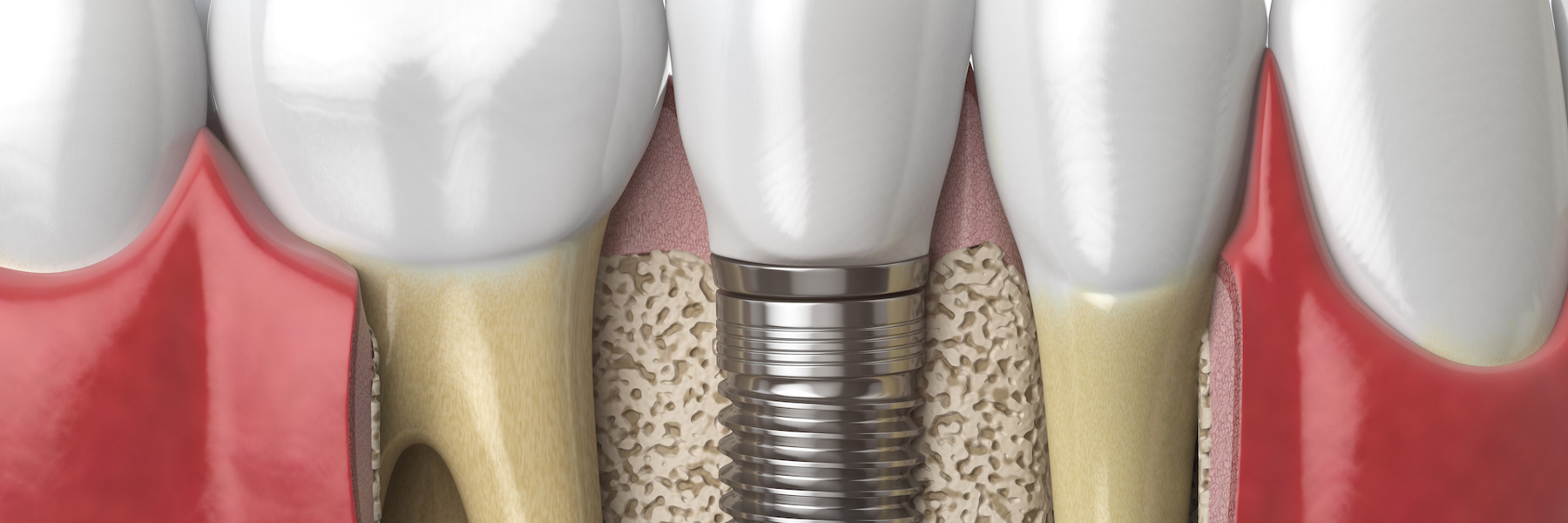
Dental implants are permanent, artificial tooth roots that provide a stable foundation for long-term dental restorations (typically porcelain dental crowns). Implants themselves are small pegs made of biocompatible titanium or zirconia, which allows them to fuse naturally with the jawbone through a process called osseointegration. This fusion provides stimulation that prevents bone deterioration, preserving natural facial structure, and a stable bite foundation that dentures and bridges simply can't match.
A complete dental implant consists of three parts:
- Implant post — The screw-like post that is surgically placed into the jawbone.
- Abutment — A connector that attaches the implant post to an artificial tooth.
- Crown — A custom-made artificial tooth mounted atop the abutment, restoring natural aesthetics and function.
Who Is a Good Candidate for Dental Implants?
Dental implants are an excellent option for many people. Unfortunately, not everyone is an ideal candidate. Key factors that determine eligibility include:
- Good overall health — Since the placement procedure involves minor surgery, candidates should be generally healthy and free of certain conditions, such as uncontrolled diabetes.
- Sufficient jawbone density — A strong, fully-developed jawbone is needed to support a dental implant. If bone loss has occurred, a bone graft may be required.
- Healthy gums — Gum disease (or periodontitis) can compromise implant success and must be treated before placement.
- Commitment to oral hygiene — After placement, regular brushing, flossing, and dental checkups are essential to keeping implants in good shape.
Types of Dental Implants
Dental implants aren’t one-size-fits-all. Depending on a patient's needs, a dentist’s specific recommendation may vary:
- Endosteal implants — The most common type of implant, involving the placement of a titanium post directly into the jawbone and subsequently attached to a crown or bridge.
- Subperiosteal implants — Placed under the gumline but above the jawbone; typically recommended for patients who lack the bone density for traditional implants but cannot undergo bone grafting.
- All-on-X® implants — A procedure in which an entire arch of teeth is secured in place using multiple (usually four or six) strategically placed implants. Ideal for full-mouth restoration.
- Mini dental implants — Smaller and less invasive than traditional implants; another alternative option in cases of insufficient bone density.
The Dental Implant Process
Dental implant placement doesn’t happen overnight. It’s a multi-step process that spans several months. Here’s a breakdown:
- Initial consultation — Your dentist will evaluate your oral health, take x-rays, and discuss whether implants are appropriate for you, with or without bone grafting to strengthen the jawbone.
- Anesthesia — The dentist then applies local anesthesia to ensure you don’t feel any pain during the procedure.
- Implant placement — Once you’re sufficiently numb, your dentist surgically inserts the implant post into the jawbone.
- Healing and osseointegration — Over about 5-6 months, the implant fuses permanently with your jawbone, creating a strong foundation for the replacement tooth.
- Abutment placement — After integration, we attach an abutment to connect the final restoration.
- Crown placement — Finally, a custom-made dental crown, bridge, or denture is securely attached to the abutment, fully restoring your smile and bite!
How Long Do Dental Implants Last?
One of the greatest advantages of dental implants is their durability. At the same time, the implant post can last a lifetime. With proper care and placement, the crown placed atop the implant lasts 10 to 15 years before requiring replacement due to normal wear and tear.
To maximize the lifespan of your implants:
- Brush and floss daily
- Avoid chewing or biting down on hard objects like ice, pens, olive pits, or unpopped popcorn kernels.
- Attend regular checkups with your dentist
- Quit smoking or using smokeless tobacco products
Are Dental Implants Worth the Investment?
While dental implants may carry a higher upfront cost than other tooth replacement options, their long-term benefits outweigh this initial expense. Unlike dentures or bridges that may need frequent adjustments or replacements, implants are a one-time investment that offers:
- Natural stability when biting and chewing, without slipping, shifting, or discomfort
- Preserved jawbone health and facial structure
- Natural appearance
- Restored self-confidence
Seamless Smile Restoration With Dental Implants in Indianapolis, IN
If you’re looking for a dentist in Indianapolis to restore the form, feel, and function of your smile and bite with precisely placed dental implants, contact Dr. Erik Lund and the friendly and helpful Affordable Dental East team to schedule a consultation.