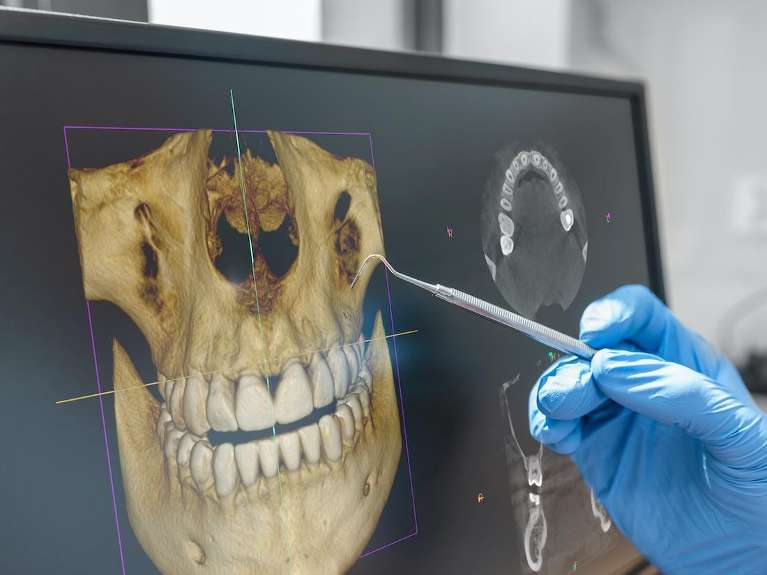
The Step-by-Step Implant Process
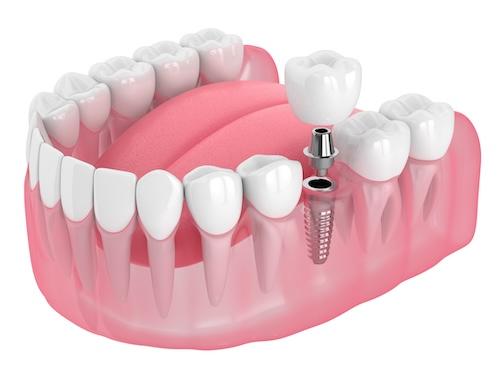 When getting a dental implant at our Indianapolis dental office, you can expect the following steps:
Consultation and Planning — We'll take 3-D scans and examine your mouth to create a personalized treatment plan. You'll know what to expect, how long it will take, and what it will cost before we start.
Implant Placement — Using strong local anesthetics, Dr. Lund places the titanium implant into the jawbone. Most patients are surprised by how comfortable this process is and report feeling pressure but no pain. If you need bone grafting, we may do it at the same time.
Healing Time — The implant needs 3–6 months to bond with your bone. During healing, we can provide a temporary tooth if it's in a visible area to prevent a gap in your smile.
Your New Crown — Once healing is complete, we'll attach your custom crown. We design it to match your other teeth perfectly in color, shape, and size. No one will be able to tell it's not your natural tooth.
Am I a Good Candidate for Dental Implants?
Most healthy adults who are missing one or more teeth are good candidates for dental implants. At your consultation, Dr. Lund will evaluate a few key factors to confirm implants are the right fit for you.
Good candidates generally have:
- Enough jawbone density to support the implant post
- Healthy gums free of active infection or untreated gum disease
- No uncontrolled medical conditions that affect healing, such as unmanaged diabetes
- A commitment to good oral hygiene after placement
If your jawbone has thinned from tooth loss, a bone graft can often rebuild it enough to support an implant. We will let you know at your consultation whether that step is needed and what it involves.
How Do Dental Implants Compare to Dentures and Bridges?
All three options replace missing teeth, but they work very differently. Here is a quick breakdown to help you understand your choices.
- Dentures sit on top of your gums and are removable. They are often the most affordable option upfront, but they can slip when you eat or speak and require adhesives to stay in place. They also do not stop bone loss in your jaw.
- A dental bridge uses the two teeth on either side of the gap as anchors. It is fixed in place, which is more stable than a denture, but it requires shaving down healthy teeth to place the crowns. Bridges typically need replacement every 10 to 15 years.
- A dental implant replaces the tooth root itself. It is the only option that stimulates your jawbone and prevents the bone loss that happens after tooth loss. With proper care, implants can last a lifetime and never require the surrounding teeth to be altered.


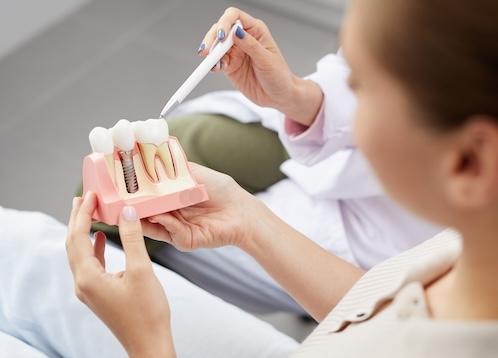 Missing teeth affect everything, from how you eat and speak to your confidence when you smile. At Affordable Dental East, Dr. Erik Lund places dental implants that look, feel, and work like your natural teeth. Imagine—no more worrying about loose dentures or gaps in your smile.