

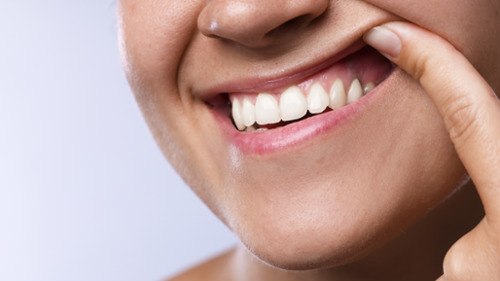
Bleeding gums when you brush are not normal, even if they don't hurt. That small sign, along with a few others, is usually your mouth's earliest way of telling you something needs attention.
At Affordable Dental East, we see this often. Many patients don't realize anything is going on until we point it out during a routine cleaning. If this sounds familiar, you're not alone, and you won't get a lecture from us. We're here to help you understand what's happening and what to do next.
How Common Is Gum Disease?
Gum disease is very common. According to the Centers for Disease Control and Prevention (CDC), nearly half of all adults aged 30 and older have some form of periodontitis, and many don't know it.
Early gum disease rarely causes pain, so it's easy to miss unless you know what to look for. That's exactly why routine exams matter, even when your mouth feels fine.
What Are the Early Signs of Gum Disease?
The most common early signs include gums that bleed when you brush or floss, along with redness or swelling along the gumline. You might also notice bad breath that lingers even after brushing.
Other signs to watch for include:
- Gums that seem to be pulling away from your teeth
- Teeth that look longer than they used to
- Teeth that feel slightly loose
- A change in how your bite feels
One of these signs on its own doesn't necessarily point to a serious problem. If you notice a few together, or they've stuck around for more than a week or two, it's worth having a dentist take a look.
What's the Difference Between Gingivitis and Periodontitis?
Gingivitis is the early, reversible stage of gum disease, and periodontitis is the more advanced stage that follows if gingivitis goes untreated. Understanding which one you're dealing with helps explain why timing matters so much.
Gingivitis happens when plaque buildup irritates the gums, causing redness, swelling, or bleeding. A professional cleaning, combined with better brushing and flossing at home, can usually reverse it completely.
Periodontitis develops when gingivitis is left untreated long enough for the infection to affect the bone and ligaments that hold your teeth in place. It isn't reversible, but it is manageable. At this stage, treatment focuses on stopping further damage and protecting the teeth you still have.
Why Should You Treat Gum Disease Early?
Treating gum disease early protects your teeth, your overall health, and your budget. Each of these reasons is worth understanding on its own.
Untreated gum disease is one of the leading causes of adult tooth loss. Catching it early gives you a much better chance of keeping your natural teeth long-term.
Gum disease has also been linked to other health concerns. The CDC notes that gum disease is more common in people with diabetes and can increase the risk of heart and kidney complications. Taking care of your gums is one part of taking care of your overall health.
Cost matters too. A routine cleaning now typically costs far less than scaling and root planing later, and much less than the restorative work that can follow advanced gum disease. Early treatment tends to be the more affordable path, not just the healthier one.
How Do Dentists Treat Gum Disease?
Treatment depends on how far the disease has progressed. At the gingivitis stage, a thorough professional cleaning is usually enough to clear out plaque and tartar and let your gums heal.
At the periodontitis stage, we typically recommend scaling and root planing. This is a deeper cleaning that removes buildup above and below the gumline, then smooths the tooth roots so bacteria have a harder time collecting there again. We may also recommend more frequent cleanings afterward to help keep things stable.
Either way, treatment starts with a clear look at where things stand, not a dramatic intervention.
What Should You Do Next?
If you've noticed any of the signs above, or it's simply been longer than six months since your last cleaning, that's reason enough to schedule a visit. We'll take a look, explain plainly what we're seeing, and walk through next steps together.
No matter how long it's been since your last appointment, you won't be judged here. We meet patients where they are and focus on moving forward.
Call Affordable Dental East at (317) 899-1100 to schedule a cleaning and exam. We proudly serve patients throughout Indianapolis, Arlington Woods, and the Far Eastside, IN.