

You step outside to scrape ice off your windshield, take a deep breath, and suddenly feel a sharp jolt shoot through your back teeth. It’s quick, intense, and gone almost as fast as it appeared. Your first thought is “it’s probably just a cavity… hopefully, it’s nothing worse.”
In reality, for many Indianapolis patients, cold-weather tooth pain has less to do with emerging or untreated decay and more to do with how their teeth and nerves interact with harsh winter air. At Affordable Dental East, Dr. Erik Lund and our team see this complaint every year when the temperature drops, and especially during frostyIndy winters.
That Sudden Pain Isn’t Always a Cavity
Tooth pain caused by cold wind tends to be sharp, brief, and triggered by exposure, like stepping outside, breathing through your mouth, or facing strong wind. Cavities usually cause lingering discomfort, pain when chewing, or sensitivity to sweets. Cold-induced pain, on the other hand, often disappears once you’re back indoors.
While cavities can cause sensitivity, they’re far from the lone culprit, as many patients with otherwise healthy teeth still experience winter pain. Understanding the difference helps you know when you’re dealing with simple, seasonality, a watch-and-wait situation, and a more substantial issue when it’s time to call your dentist.
Thermal Shock: What Cold Air Does to Teeth
Despite their tough exterior, teeth aren’t rigid, lifeless structures. They expand and contract slightly with temperature changes. On a 10°F Indianapolis morning, enamel contracts rapidly when exposed to cold air, in a phenomenon known as thermal stress (or “shock”). This sudden contraction puts pressure on the inner layers of the tooth and irritates the nerve inside.
If your enamel already has microscopic cracks or areas of wear, the nerve becomes even more reactive. That’s why the pain feels electric and immediate, even though nothing is technically “wrong” with the tooth itself.
Exposed Roots Make Cold Pain Worse
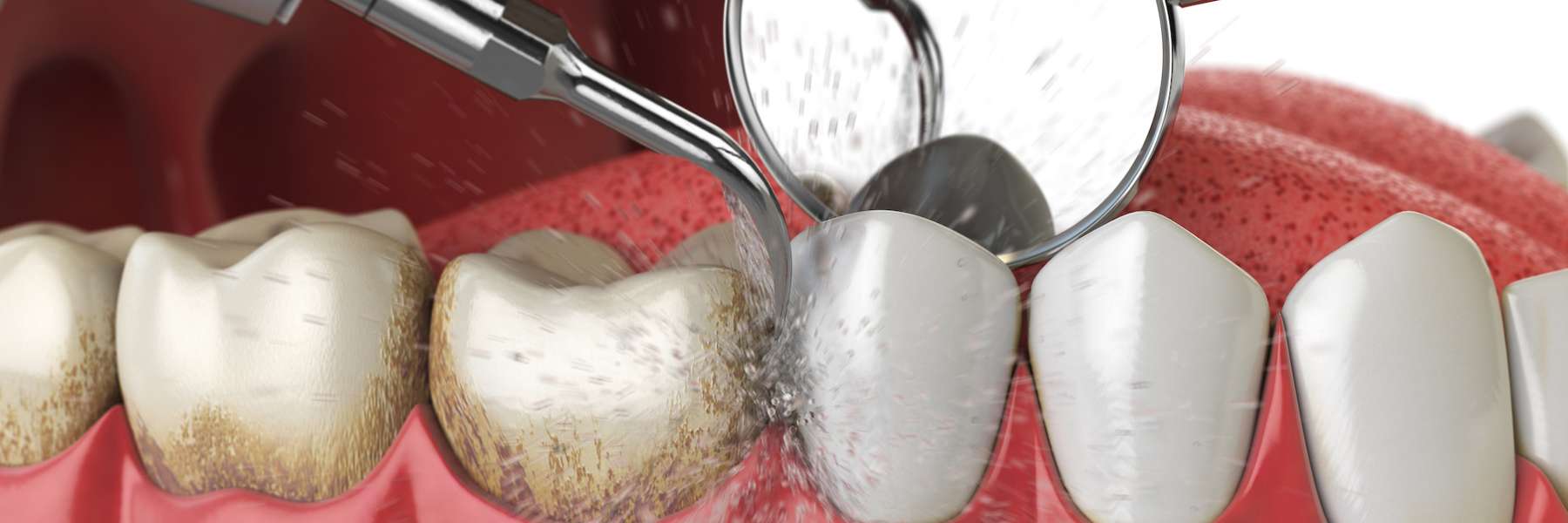
Healthy gums protect the sensitive root surfaces of your teeth. But when gums recede, even slightly, the root becomes exposed. Unlike enamel, root surfaces don’t have a strong protective layer. When cold Indy wind hits those areas directly, it can send intense pain straight to the nerve. Gum recession can happen from brushing too hard, chronic teeth grinding (or bruxism), gum disease, or simply aging. Many patients don’t realize they have exposed roots until the winter weather turns everyday breathing into a painful experience.
Why Wind Makes It Worse Than Cold Drinks
Patients often ask why icy wind hurts more than cold water. The answer lies in duration and airflow. When you sip a cold drink, the exposure is brief. When you are breathing through your mouth in cold weather, wind creates and exacerbates thermal stress. Wind keeps cold air moving continuously across your teeth, preventing them from warming back up. Add dry winter air to the mix, and the nerves become even more reactive. That’s why shoveling snow or walking into a strong Indy gust can feel worse than eating ice cream.
The Cheap Fix: Desensitizing Toothpaste
One of the easiest and most effective ways to reduce cold-related tooth pain is switching to a potassium nitrate toothpaste (like Sensodyne) for at least two weeks. Potassium nitrate works by calming the nerve inside the tooth rather than blocking sensation temporarily. Consistent use allows the nerve to become less reactive over time. The key is patience. Don’t rinse aggressively after brushing. Avoid switching back and forth between toothpastes. Many patients notice significant improvement within 10–14 days.
The Winter “Trick” Most People Miss
Perhaps the simplest and most surprisingly effective solution for seasonal sensitivity? Breathing through your nose, not your mouth, when you’re outside in the cold. It’s just simple. Your nasal passages naturally warm incoming air before it reaches your mouth. Mouth breathing, on the other hand, sends frigid air directly over your teeth, increasing thermal shock.
This small habit change can dramatically reduce pain when your teeth are exposed to punishing Midwest winter weather. Paired with a scarf or face covering to further trap warmth, it can make all the difference in protecting your teeth from direct wind exposure.
When Cold Sensitivity Signals a Bigger Issue
While seasonal sensitivity is common, persistent or worsening pain shouldn’t be ignored. Winter weather often exposes problems that are already developing quietly. If cold sensitivity lasts long after you’re back indoors, occurs on just one tooth, or is accompanied by pain when biting, it may indicate a cavity, cracked tooth, or gum disease. A professional exam can determine whether your discomfort is environmental or something that needs treatment before it becomes more serious.
Comfortable, Practical Dental Care in Indianapolis, IN
If you’re in Indianapolis and want to understand whether your tooth sensitivity this winter is simply due to cold Indy winds or a more serious issue requiring professional treatment, contact Dr. Erik Lund and the friendly and experienced Affordable Dental East team to schedule an evaluation.